GLOBAL LOGISTICS
Whatsapp: +86 13510290734
Email: op@sz-junqing.com
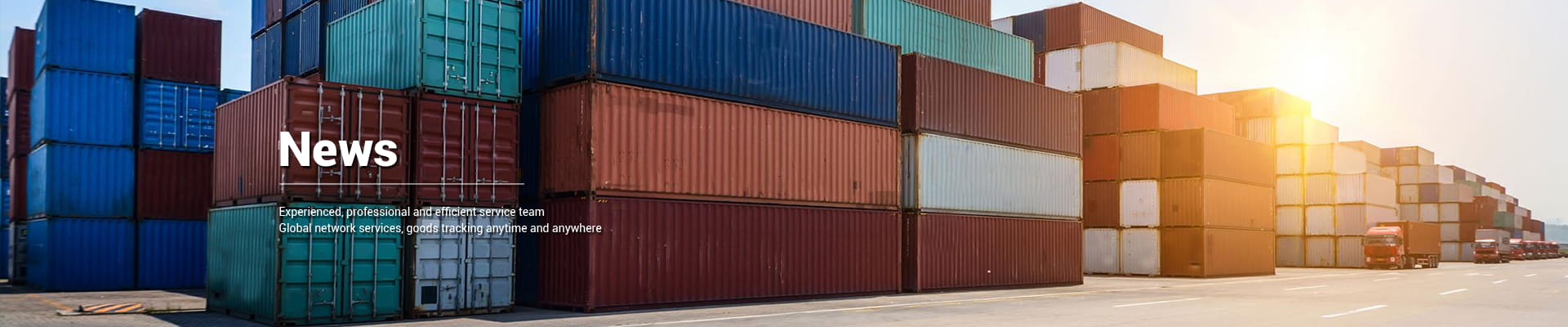
As two of Asia's largest trading partners, China and South Korea share a highly developed sea freight network. The proximity between the two countries—with major ports just a few days' sailing apart—makes sea freight from China to South Korea one of the most cost-effective international shipping routes available. Key Chinese ports such as Shanghai, Qingdao, Ningbo, and Shenzhen connect to major Korean gateways including Busan (South Korea's largest port), Incheon, and Gwangyang.
Due to the geographic closeness, sea freight from China to South Korea is remarkably fast compared to other international routes:
| Route | Transit Time |
|---|---|
| FCL (Shanghai → Busan) | 2–3 days |
| FCL (Shenzhen → Busan) | 3–4 days |
| LCL (General) | 3–5 days |
| General Sea Freight | 2–7 days |
Most major routes have daily or multiple weekly sailings, making scheduling highly flexible. For context, Korean customs data shows the Korea-China route is one of the busiest trade lanes in the region.
For large-volume shipments, FCL offers the best per-unit economics. Below are average market rates from various Chinese ports to South Korea:
| Origin Port | Destination Port | 20ft FCL (USD) | 40ft FCL (USD) |
|---|---|---|---|
| Shanghai | Busan | $300–$550 | $500–$950 |
| Shenzhen | Busan | $340–$550 | $520–$850 |
| Ningbo | Busan | $300–$550 | $530–$990 |
| Shanghai | Incheon | $320–$600 | $510–$1,000 |
| Shenzhen | Incheon | $320–$540 | $530–$950 |
| Qingdao | Busan | $400–$600 | |
| Guangzhou | Busan | ~$700 |
Additional FCL estimates from other sources:
Hong Kong → South Korea: 20ft from $550, 40ft from $1,250
Dalian → South Korea: 20ft from $650, 40ft from $1,350
Tianjin → Busan: 20ft ~$368, 40ft ~$606
Note: Rates fluctuate with season, fuel costs, and carrier capacity. Estimates are based on 2025–2026 data and should be confirmed with your freight forwarder before booking.
For smaller shipments, LCL is charged per cubic meter (CBM). Typical rates range as follows:
| Origin Port | Destination Port | LCL Cost (USD/CBM) |
|---|---|---|
| Shanghai | Busan | $25–$55 |
| Shenzhen | Busan | $30–$60 |
| Ningbo | Busan | $25–$50 |
| Shanghai | Incheon | $25–$60 |
| Shenzhen | Incheon | $40–$55 |
| Guangzhou | Busan | ~$85 |
LCL is generally recommended for shipments under 15 CBM, as FCL becomes more economical for larger volumes.
When calculating the total sea freight from China to South Korea, several cost elements beyond the base freight apply:
Core Charges:
Basic Ocean Freight: The base shipping rate
BAF (Bunker Adjustment Factor): Fuel surcharge, fluctuates with oil prices
THC (Terminal Handling Charge): Port loading/unloading fees
CAF (Currency Adjustment Factor): Up to 3–5% of basic freight
Origin Charges (China):
Booking Fee: $25–70 (RMB 200–500)
Documentation Fee: $40–70 (RMB 300–500)
Customs Declaration Fee: $40–85 (RMB 300–600)
Trucking/Drayage: $70–210 (RMB 500–1,500), depending on distance from warehouse to port
Destination Charges (South Korea):
D/O Fee (Delivery Order): $30–80
Customs Clearance Fee: $50–150
Destination THC: $80–150 (for 20ft container)
Delivery Fee: $100–300 (inland trucking from port to final address)
Taxes:
Import Duties: Varies by HS code, often 0–10%; many products enjoy zero tariffs under the China–South Korea FTA
VAT: 10% on CIF value plus duties
When planning sea freight from China to South Korea, keep these variables in mind:
Seasonality: Pre-Chinese New Year and year-end peak seasons see higher rates
Port Selection: Busan offers the lowest destination costs; Incheon may have higher fees but is closer to Seoul
Fuel Prices: BAF fluctuates with global oil prices
Cargo Type: Dangerous goods and sensitive items (food, cosmetics) may incur additional fees and require special handling
Leverage the China–South Korea FTA: Obtain a Form K Certificate of Origin to qualify for zero or reduced tariffs on many products
Choose FCL vs. LCL Wisely: For shipments over 15 CBM, FCL is more economical; for smaller volumes, LCL offers better value
Request "All-In" Quotes: Ensure your forwarder itemizes all charges, including destination-side fees, to avoid surprises
Plan Ahead: Book during off-peak periods to secure lower rates
Consolidate Shipments: Combine smaller orders from multiple suppliers to reduce per-unit costs
By understanding the cost structure and choosing the right service option, businesses can effectively manage sea freight from China to South Korea while ensuring reliable delivery to this key East Asian market.

Among many freight forwarders, Junqing Logistics, as a service provider that has been deeply involved in the China-Korea route for many years, has rich operating experience, customs clearance resources and delivery networks, and can provide customers with truly worry-free, time-saving and cost-saving China-Korea transportation solutions. Whether it is general trade, cross-border e-commerce or DDP door-to-door service, Basenton can respond flexibly to ensure that each shipment arrives smoothly in the hands of Korean customers.
How Much does it Cost to Ship from China to Syria
2025-02-24
Shipping Freight from China to UAE Shipping Options to United Arab Emirates from China: How to choose? Shipping Cost & Delivery Time to United Arab Emirates from China
2026-09-02

More →

More →

More →

More →

More →

More →

More →