GLOBAL LOGISTICS
Whatsapp: +86 13510290734
Email: op@sz-junqing.com
Importing and Shipping Machinery and Equipment from China
Importing heavy machinery from China is a significant investment that goes beyond simply purchasing equipment. Unlike consumer goods, machinery faces unique logistics hurdles: oversized dimensions, strict compliance requirements, anti-corrosion packaging needs, and complex customs documentation . Small mistakes can trigger port detention, cargo damage, hefty fines, or lengthy delivery delays. This guide walks you through the complete process.
Step 1: Finding and Vetting Suppliers
Start with solid procurement to avoid quality and compliance issues before shipment.
Where to find suppliers:
Online platforms like made in China offer convenience but require caution — look for suppliers with a long history, high transaction volumes, and positive reviews
Attending international trade shows like the Canton Fair allows you to meet suppliers in person and inspect products
How to verify supplier legitimacy
Request business licenses and industry certifications (ISO, etc.); verify authenticity through official Chinese government websites
Ask for references from previous international clients
Confirm their physical address using online maps — consider a factory visit if feasible
Check for membership in recognized industry associations
Before ordering, confirm full machine specifications: model, serial number, power, dimensions, gross weight, and spare parts list Also request target-market compliance certificates (EPA, CE, ISO, etc.) upfront.
Step 2: Shipping Methods for Machinery
Machinery is heavy, oversized, or high-value, requiring specialized transport solutions Here are the main options:
| Shipping Method | Best For | Transit Time | Cost Level |
|---|---|---|---|
| FCL Standard Container (20ft/40ft/HQ) | Compact, disassembled CNC machines, small production lines | 15–40 days (varies by destination) | Most cost-effective for bulk equipment |
| Open Top Container | Tall machinery that cannot fit standard container height; crane top loading available | 15–40 days | Moderate; requires crane handling |
| Flat Rack Container | Overwidth, overweight construction machinery (excavators, forklifts, cranes); cargo can overhang sides/ends | 15–40 days | Higher; out-of-gauge (OOG) surcharges apply |
| Breakbulk / RoRo | Ultra-heavy, self-propelled equipment (bulldozers, large generators) that cannot fit containers | 20–45 days | Variable; project-based pricing |
| Air Freight | Small precision spare parts, control panels, urgent replacement components | 3–7 days | High cost; strict weight and size limits |
Rough Sea Freight Cost Benchmarks (for general reference, rates fluctuate significantly):
20ft FCL container: $1,200–$1,700+ for small machinery batches
40ft FCL container: $1,800–$2,400+ for large or multiple units
LCL: $50–$80+ per CBM for shared container shipments
Breakbulk/Flat Rack: $60–$120+ per CBM for oversized cargo
Step 3: Choosing the Right Incoterm
The Incoterm you select determines your total landed cost and liability
| Incoterm | Who Arranges Freight? | Who Handles Import Clearance? | Best For |
|---|---|---|---|
| EXW (Ex Works) | Buyer | Buyer | Experienced importers with China logistics team |
| FOB (Free on Board) | Buyer | Buyer | Cost-control seekers with trusted destination broker |
| CIF (Cost, Insurance, Freight) | Seller (freight + insurance) | Buyer | High-value machinery; verify insurance coverage |
| DDP (Delivered Duty Paid) | Seller (everything) | Seller | First-time importers; complex destinations; avoids surprise destination charges |
Key consideration: A lower EXW price often costs more than FOB once you add local Chinese trucking, port charges, and export clearance. Always compare quotes on the same terms . For first-time importers, DDP eliminates most surprises—the price quoted is the final price, including duties and delivery
Step 4: Seaworthy Packaging & Protection
Ocean freight is brutal. Salt spray, humidity swings, vibration, and multiple crane lifts can destroy inadequately protected equipment
Essential packaging requirements
| Protection Layer | What It Involves |
|---|---|
| Pre-pack prep | Drain fluids (or document as dangerous goods), disconnect batteries, retract hydraulic cylinders, photograph machine from all angles |
| Corrosion protection | Apply VCI film or emitters to exposed metal; coat machined surfaces with rust-preventive grease; place desiccant bags inside enclosures (~500g per 100kg of machinery weight) |
| Crating | All wood packaging must bear ISPM 15 heat-treatment stamp (critical for customs clearance); steel-frame crating recommended for components over 5 tons; build base with forklift pockets and clearly marked crane lift points; mark center of gravity on all sides |
| Securing/Lashing | Use polyester lashing straps for loads under 10 tons; steel chains or wire ropes above that; block and brace with hardwood dunnage; must comply with IMO CSS Code |
| Weather protection | Wrap entire unit in waterproof membrane; add container desiccants to combat "container rain" (condensation during temperature swings) |
Step 5: Customs Clearance & Key Documentation
Documentation errors cause a significant portion of shipping delays . Ensure all documents have consistent product specs, values, and serial numbers
Core required documents
Commercial Invoice (complete machine model, serial number, unit price, total value)
Packing List (crate count, dimensions, gross/net weight, spare parts breakdown)
Bill of Lading (Sea) / Air Waybill (Air)
Certificate of Origin (for preferential tariff discounts under free trade agreements)
Cargo Insurance Policy
Export Declaration
HS code classification is critical — the wrong code is the top cause of customs holds Share full machine parameters with your forwarder to get accurate classification.
Key market-specific requirements
| Destination | Key Requirements |
|---|---|
| USA | NRTL/UL certification for electrical systems; EPA emissions; FDA/FCC clearances if applicable; ISF filing |
| EU | CE Mark + Machinery Directive (2006/42/EC) compliance; 17–27% VAT |
| Canada | CBSA clearance; 5% GST + provincial sales tax; used equipment requires steam-cleaning certificate |
| Australia | 10% GST; quarantine inspection for used equipment |
| UAE | 5% duty + 5% VAT; SABER certificate mandatory |
| Saudi Arabia | 5–15% duty + 15% VAT; SABER certificate mandatory |
Preferential tariff tip: If your destination is in ASEAN, a FORM E Certificate of Origin can slash duties from 15–25% to 0–5% under the China-ASEAN Free Trade Agreement. Similar benefits apply under RCEP
Step 6: Cargo Insurance — Don't Skip It
Many buyers assume the freight forwarder's basic liability coverage is enough. It is not
Key maritime risk: Under General Average, if a ship captain has to jettison cargo to save the vessel during a storm, all cargo owners on that ship must share the financial loss proportionally — even if your machine is safe
Insurance options
All Risks (Institute Cargo Clauses A) : Broadest coverage — recommended for all heavy machinery
WPA (Clauses B) : Named perils only; excludes many water damage scenarios
FPA (Clauses C) : Total loss only — the cheapest, and usually wrong for machinery
Typical cost: Premium is approximately 0.3–0.5% of insured value; coverage is usually 110% of CIF value . For a $50,000 machine, paying ~$150 to cover theft, damage, and General Average is a non-negotiable safety step.
Final Checklist for Machinery Importers
Before shipping, ensure you have:
Supplier verification completed (licenses, certifications, references)
HS code classification confirmed with your customs broker
Incoterm selected — FOB for experienced importers, DDP for first-timers
Packaging plan in place: ISPM 15-compliant crates, VCI anti-corrosion, lashing plan
Required destination certifications ready (CE, UL, SABER, etc.)
All-Risk cargo insurance purchased
Complete documentation set prepared (invoice, packing list, BoL, CoO)
Destination unloading capacity confirmed (forklift, crane, dock access)
If you have specific details about your shipment — destination country, machine type, dimensions, weight, and urgency — I can help narrow down the most suitable shipping option and cost estimate for your situation.
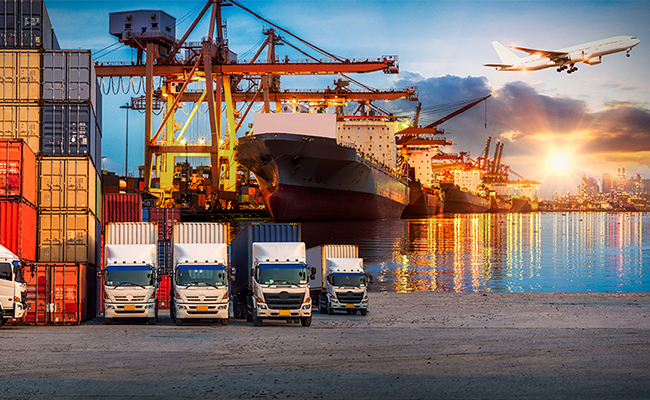
Importing machines and machines from China is a step that requires a lot of hard work. Especially if you step into it for the first time, you will find yourself overwhelmed with planning and details but it will get easier every time, and when you build your company and see it grow and succeed, you realize that it is worth the effort.
How Much does it Cost to Ship from China to Syria
2025-02-24
Shipping Freight from China to UAE Shipping Options to United Arab Emirates from China: How to choose? Shipping Cost & Delivery Time to United Arab Emirates from China
2026-09-02

More →

More →

More →

More →

More →

More →

More →