GLOBAL LOGISTICS
Whatsapp: +86 13510290734
Email: op@sz-junqing.com
Electric scooters have gained wide popularity worldwide in recent years due to their convenience, environmental friendliness and affordability. As the world’s largest electric scooter production base, China supplies a large number of high-quality and reasonably priced products. However, importing electric scooters from China is not a simple procurement behavior, which involves multiple links such as supplier screening, regulatory compliance, transportation method selection, tariffs and customs clearance. If you want to import electric scooters into your country smoothly, safely and at a reduced cost, then this guide will provide you with a comprehensive operational guide.
Guide to Importing and Shipping Electric Scooters from China
Electric scooters are a fast-growing category in global e-commerce, but importing them is not like shipping standard consumer goods. The lithium batteries that power them subject every shipment to strict dangerous goods regulations, and the compliance landscape changes frequently. This guide walks you through the entire process, from sourcing to shipping to customs clearance.
Part 1: Understanding the Product Classification Problem
Why HS Codes Matter
For years, electric scooters lacked a dedicated global classification. They were often lumped in with electric bicycles or motorcycles under the same HS codes—but this caused serious problems. For example, when the EU imposed anti-dumping duties on Chinese e-bikes, electric scooter exporters were "collateral damage" because customs officials couldn't easily distinguish between product types. This led to additional investigations and compliance costs
Major change coming: Starting January 1, 2028, electric scooters will have their own independent HS code under 8711.62. This was a Chinese-proposed revision adopted by the World Customs Organization. Early estimates suggest it could improve customs efficiency by over 30% and reduce logistics costs by 15–20% once fully implemented
Until then, most electric scooters are classified under HS code 8711.60 (motorcycles with electric motor propulsion) or variations depending on motor power and speed. Correct classification is critical—the wrong code can trigger customs holds, higher duties, or even seizure.
UK Ruling Example
A recent UK tariff ruling classified a 30 mph electric scooter without pedals under 87116090, confirming that products exceeding the 250W pedal-assist threshold fall under the "motorcycle" category rather than "bicycle"
Part 2: Sourcing the Right Supplier
The electric scooter industry is concentrated in a few key regions, each with different strengths
| Region | Specialty | Best For |
|---|---|---|
| Guangdong (Shenzhen/Dongguan) | Electronics integration, battery tech, smart features | Tech-forward models with IoT, app control, advanced BMS |
| Zhejiang (Yongkang/Jinhua) | Metal fabrication, durable frames, mass production | Structural durability, cost-effective large orders |
| Jiangsu/Shanghai | Precision assembly, logistics advantage | Consistent quality, faster export lead times |
What to Verify Before Ordering
Before committing to a supplier, request the following:
Business license and factory audit (verified through official Chinese government channels or third-party inspection)
Export experience to your target market
Product certificates: CE (EU), UL 2272 (US hoverboards), UL 2849 (US e-bikes), FCC, E-mark
UN38.3 test report for the specific battery model used in your order—not a generic report
MSDS and SDS for the battery
Critical note: UL 2272 is not optional for self-balancing scooters/hoverboards selling through major US retailers. After the 2015 hoverboard fires, Amazon removed 30,000 listings, and UL certification became the industry baseline
Part 3: Shipping Electric Scooters
Sea Freight (Recommended for Bulk)
Sea freight is the practical choice for most commercial e-scooter volumes. However, because electric scooters are classified as Class 9 dangerous goods under UN3556 (lithium battery-powered vehicles), specialized handling is required
FCL vs. LCL:
FCL (Full Container Load) is strongly preferred. Many LCL consolidators refuse Class 9 DG cargo, and those that accept it may add 30–50% surcharges. Not all destination CFS facilities are licensed to handle DG, either
For shipments under 12 CBM, LCL is possible if you confirm (a) the consolidator accepts UN3556, (b) the destination CFS is DG-licensed, and (c) segregation requirements can be met.
Container stowage requirements under IMDG Code Amendment 42-24 (mandatory through 2027)
Stacking height limited to 3 tiers maximum
Adequate ventilation required
Carrier must approve stowage position before sealing
Major shipping ports for e-scooters: Shenzhen Yantian, Guangzhou Nansha, Shanghai, and Ningbo. Most production happens in Guangdong and Zhejiang provinces, so Shenzhen and Ningbo are the most common load ports
Air Freight
Air freight is fast but costly
Battery charge level must be ≤30% for lithium batteries packed separately (PI966/UN3481)—this is now mandatory, not recommended
For battery-powered vehicles (PI952/UN3556, which covers e-scooters):
Battery >100Wh: Charge ≤30% is mandatory; exceeding requires transport approval
Battery ≤100Wh: Charge ≤30% is recommended
Practical implication: Your supplier must charge down the scooter batteries before shipment. This is often overlooked and causes delays at origin.
Air freight also incurs significant DG surcharges, documentation fees, and a restricted carrier pool—making it 2–4x more expensive than equivalent general cargo
Required Documentation
This is where most shipments fail. Documentation errors are the single biggest reason e-scooter shipments are rejected
Mandatory documents
| Document | Purpose |
|---|---|
| UN38.3 Test Report | Certifies battery has passed altitude, thermal, vibration, shock, short circuit, and impact tests. Must match the exact battery model in the shipment. |
| MSDS (Material Safety Data Sheet) | Identifies UN3556, battery chemistry, and emergency response procedures. One SDS per product configuration. |
| Dangerous Goods Declaration (DGD) | Prepared and signed by a certified DG professional. Common errors: wrong UN number (still showing UN3171), missing SoC statement, incorrect net quantity. |
| Packaging Specification | Confirms UN-certified packaging and drop test compliance. |
| CIQ Inspection | Required at most major Chinese ports for lithium battery exports. |
| Commercial Invoice & Packing List | Must show individual product weights/dimensions and battery details. |
Part 4: Customs Clearance by Market
UL 2272 required for self-balancing scooters; UL 2849 for e-bike electrical systems
CPSC regulations apply to consumer personal mobility devices—certification is not optional for major retail channels
ISF filing required 24 hours before vessel loading for sea freight
European Union
CE Marking is mandatory (and must be from recognized labs, not generic factory claims)
EN 15194 (e-bike standard) may apply depending on classification
TARIC duty rate and potential anti-dumping surcharges depend on correct HS code classification
EORI number required for importers; for DDP shipments, your forwarder acts as Importer of Record
Australia
0–5% import duty for most categories under ChAFTA (China-Australia Free Trade Agreement) with a Certificate of Origin
10% GST on CIF value plus duty
Door-to-door DDP is common for first-time importers to avoid surprise costs
Singapore
LTA (Land Transport Authority) approval required for all e-scooter imports, including personal use. Approval generally limited to compliant devices. Import permit must be filed via TradeNet
Part 5: DDP Shipping—Why It's Recommended
For buyers unfamiliar with customs clearance, DDP (Delivered Duty Paid) is the most popular shipping solution. The forwarder handles everything: pickup, export clearance, international freight, import customs, duty/tax payment, and final delivery
What DDP covers:
Export clearance in China
Ocean/air transportation
Customs clearance in your country
Import duties and taxes
Final delivery to your address or warehouse
Benefits for e-scooter importers
No need to deal with customs yourself
No unexpected charges
Professional handling of lithium battery DG requirements
Lower risk of rejected shipments
Specialized DDP lines exist specifically for lithium battery products, avoiding rejection by airlines or ports
Part 6: Practical Timeline
A typical commercial e-scooter import timeline from China
| Step | Duration |
|---|---|
| Supplier sourcing & sample approval | 1–4 weeks |
| Production (for custom orders) | 25–45 days |
| Pre-shipment QC inspection | 1–3 days |
| Sea freight (FCL) | 20–35 days |
| Customs clearance | 2–5 days |
| Final delivery | 2–5 days |
| Total sea freight door-to-door | 6–10 weeks |
Air freight samples or urgent restocks: 4–6 weeks total door-to-door
Part 7: Cost Optimization Tips
Consolidate shipments to reach FCL threshold (12–15 CBM), which avoids LCL DG surcharges
Start certification early—CE and UN38.3 testing can take 4–8 weeks from recognized labs
Request video verification showing serial numbers and battery specs before shipment
Budget for spare parts—ask for 5–10% spare parts package with bulk orders
Use branded battery cells (Samsung, LG, Panasonic) rather than generic cells to reduce fire risk and increase buyer confidence
Part 8: Common Pitfalls to Avoid
Forgetting to lower battery charge before air shipment—new IATA rules make this mandatory
Using a generic UN38.3 report—it must match the exact battery model in the shipment
Misclassifying HS code—leads to duties, holds, or seizures
Skipping QC inspection—pre-shipment inspection (PSI) using AQL 2.5 sampling is strongly recommended for orders over $20,000
Assuming CE from factory = US compliance—CE satisfies EU requirements but not CPSC or UL requirements
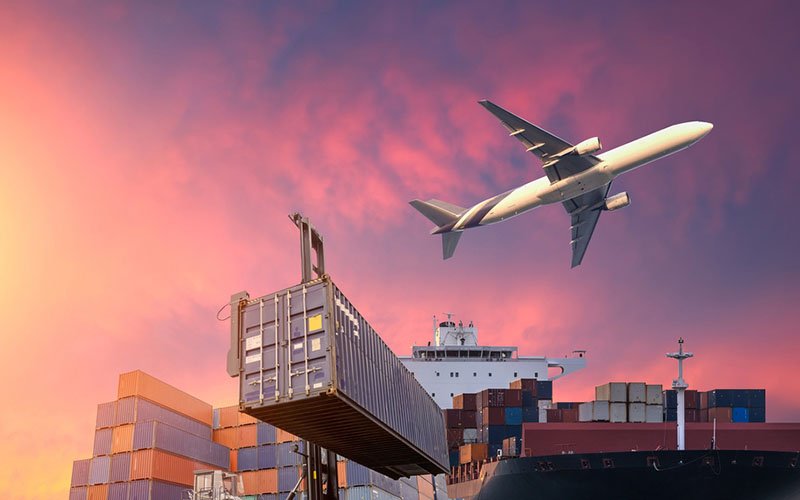
Estimating electric scooters shipping costs requires considering a variety of factors. Size, weight, destination, shipping method, and additional services like insurance or expedited shipping all affect the final cost. It is crucial to get accurate shipping quotes from different carriers or shipping companies to compare prices and services.
GET A QUOTE
How Much does it Cost to Ship from China to Syria
2025-02-24
Shipping Freight from China to UAE Shipping Options to United Arab Emirates from China: How to choose? Shipping Cost & Delivery Time to United Arab Emirates from China
2026-09-02

More →

More →

More →

More →

More →

More →

More →